 By Sarah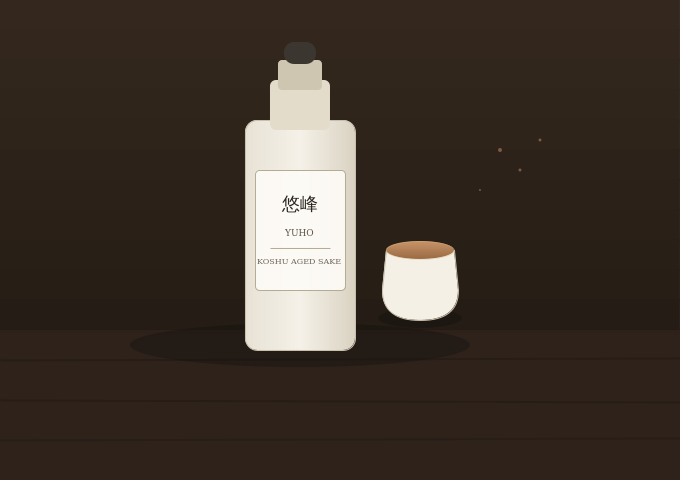
Most sake is made to be drunk young, clean, and fresh. Yuho Rhythm of the Centuries takes the opposite approach entirely, and it offers a genuinely different way to experience what rice, water, and time can do together.
The Basics
| Type | Koshu (aged), Junmai, Kimoto method |
| Brewery | Yuho |
| ABV | Around 16% |
| Price Tier | Premium |
| Where to find it | Specialist sake retailers, limited international availability |
| Serving temp | Room temperature or gently warmed |
Background
Koshu refers to sake that has been deliberately aged, often for several years, rather than released young the way most sake is. This bottle uses the traditional kimoto brewing method, an older, more labour intensive technique that builds acidity and structure into the sake from the very start of fermentation, before any ageing even begins. The combination of kimoto brewing and extended ageing produces something quite far removed from a typical fresh sake.
Aged sake was once considered the height of luxury in Japan, before tastes shifted towards the clean, youthful styles most common today. Bottles like this keep that older tradition alive, appealing to drinkers who want depth and complexity rather than simple freshness.
Tasting Notes
Aroma
Earthy and rich, with notes of nuts, dried fruit, and a faint savoury quality reminiscent of soy.
Palate
Complex and savoury, with deep umami, a noticeable sourness from the kimoto method, and a mellow richness that builds with each sip.
Finish
Long and warming, with a lingering savoury quality rather than any sweetness.
Mouthfeel
Full bodied and structured, with real weight and presence on the tongue.
Best Paired With
This sake suits rich, hearty dishes such as grilled meats, stews, or aged cheeses, since its savoury depth can stand up to bold flavours without being overwhelmed. It is particularly good gently warmed alongside a winter meal.
The Verdict
⭐⭐⭐⭐ out of 5
A genuinely different drinking experience that rewards patience and an open mind. This is sake for people who already understand the category and want to see where else it can go.
Who it’s for: Experienced sake drinkers, fans of aged spirits or bold red wines, and anyone curious about sake’s older traditions.
Who should skip it: Newcomers to sake, since this is a significant departure from the clean, fresh styles most people start with.
Takeaway: Yuho Rhythm of the Centuries proves that sake can age into something genuinely new, rather than simply older.