 By Charles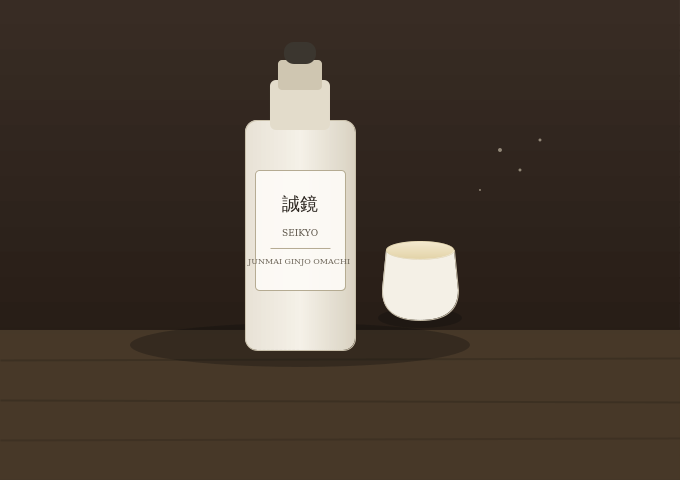
Most modern sake relies on rice varieties bred for easier brewing and more predictable results. Seikyo takes a different route here, using Omachi rice, one of the oldest sake rice varieties still in use, and the character that comes through is noticeably different from more typical ginjo bottles.
The Basics
| Type | Junmai Ginjo |
| Brewery | Seikyo, Okayama |
| ABV | Around 16% |
| Price Tier | Mid range |
| Where to find it | Specialist sake retailers and select restaurants |
| Serving temp | Chilled or cool room temperature |
Background
Omachi rice predates most of the varieties used in modern sake brewing and is generally regarded as more difficult to work with, since it grows tall and is prone to falling over in the field, making it less efficient to farm than newer varieties. Despite that, many brewers and drinkers consider it worth the extra effort, since it tends to produce a richer, more textured sake than typical brewing rice.
Seikyo, based in Okayama, has built a strong reputation for showcasing Omachi rice specifically, and this Junmai Ginjo gives a clear sense of why the variety has such a loyal following among sake enthusiasts despite its farming challenges.
Tasting Notes
Aroma
Rich and earthy, with ripe melon and a faint umami quality underneath.
Palate
Full and textured, with a noticeable depth that feels heartier than many other ginjo styles, balanced by good acidity.
Finish
Long and savoury, with a satisfying weight that lingers.
Mouthfeel
Fuller bodied than typical ginjo, with real presence on the tongue.
Best Paired With
This sake suits richer dishes well, such as grilled meats or simmered vegetables, since its depth can stand up to bolder flavours. It also works nicely alongside mushroom based dishes, where the umami in both can play off each other.
The Verdict
⭐⭐⭐⭐ out of 5
A genuinely characterful bottle that shows what an older, harder to farm rice variety can bring to the glass. It stands apart clearly from more typical, lighter ginjo styles.
Who it\’s for: Anyone curious about rice variety and its effect on flavour, and fans of fuller bodied, savoury sake.
Who should skip it: Drinkers who prefer light, delicate, fruit forward styles.
Takeaway: Seikyo Junmai Ginjo Omachi shows that sometimes the harder path produces the more interesting result.