 By Sarah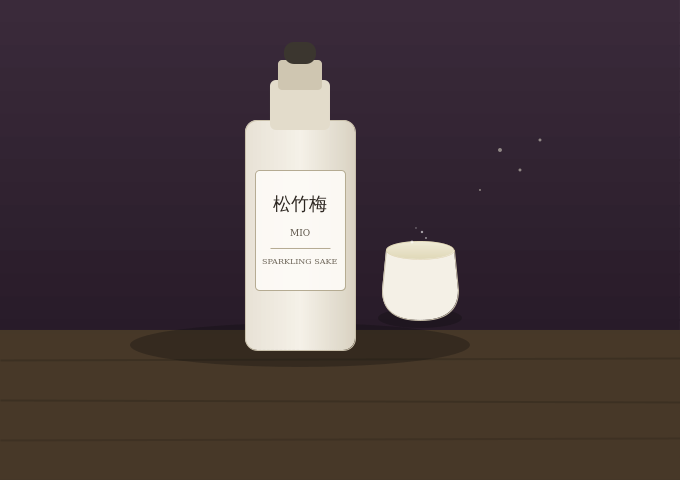
If you have ever wanted to introduce a sake sceptic to the category, this is the bottle to reach for. Light, fizzy, and genuinely fun, Mio takes sake somewhere most people do not expect it to go.
The Basics
| Type | Sparkling |
| Brewery | Takara Shuzo, Kyoto |
| ABV | Around 5% |
| Price Tier | Budget |
| Where to find it | Supermarkets, wine shops, and most sake retailers worldwide |
| Serving temp | Well chilled |
Background
Mio is produced by Takara Shuzo, the same large brewery behind Sho Chiku Bai’s wider range, and it was designed specifically to appeal to drinkers who might not otherwise reach for sake at all. The carbonation here comes from the brewer infusing carbon dioxide into the rice mash during a pressurised fermentation stage, a more common and stable approach to sparkling sake than bottle fermentation.
At just around 5 percent alcohol, this sits much closer to a low alcohol sparkling wine than a typical sake, which is very much the point. It has become something of a gateway bottle, particularly popular as a celebratory drink or a lighter alternative at parties and gatherings.
Tasting Notes
Aroma
Light and fruity, with a clean rice sweetness and a touch of melon.
Palate
Soft and gently sweet, with fine, persistent bubbles and a fruity character similar to a light Moscato.
Finish
Short and refreshing, with the bubbles fading quickly.
Mouthfeel
Light and fizzy, genuinely closer to a sparkling wine than traditional sake.
Best Paired With
This is an easy match for light appetisers, fruit, or simple desserts. It also works well purely as a celebratory drink on its own, chilled and served in a flute or wine glass.
The Verdict
⭐⭐⭐⭐ out of 5
A genuinely enjoyable, easy to love bottle that does exactly what it sets out to do. It will not satisfy someone after a traditional, complex sake experience, but that was never the goal.
Who it’s for: Sake newcomers, celebrations, and anyone who enjoys light, sweet sparkling drinks.
Who should skip it: Sake purists looking for a traditional, higher alcohol drinking experience.
Takeaway: Sho Chiku Bai Mio shows that sake can be playful without losing its identity.